
Tactical tools are everywhere.
The strategic layer is nowhere.
Tools dissect. None strategize.
The industry built endless tools to slice games into tactical metrics — engagement, retention, ARPU. But almost no tool answers the strategic question: which part of the market should we enter, how, and why — or should we not enter at all?
Too close, or too far
Existing analytics either zoom in on individual game performance or zoom out to country-level market reports. The strategic layer in between — where positioning decisions actually get made — is empty.
Genres defined by storefronts
Everyone measures TAM against genres. But those genres are defined by Steam, Xbox Store, and Apple Store — for their own categorization convenience, not by how players actually navigate and choose games.
Broad categories hide white space
Store-defined genres have blurred boundaries between segments. Publishers plan against these broad strokes and miss the white space between them — because they don't realize the borders are fuzzy.
Four things you'll be able to do
that no existing tool allows.
Map your true competitive set
See which titles actually fight for the same players — mapped the way players navigate the market, not the way storefronts categorize it. Understand who your true competitors are and which ones only look related on the surface.
Position a single title before it ships
Take one concept, build or acquisition target and test where it would actually land: which territory it enters, how contested that spot already is, and what would make its position defensible. Positioning analysis for one title — not a portfolio-level view.
Find white space before competitors do
Identify underserved market positions where player demand exceeds competitive supply. Whether you're greenlighting new projects, planning acquisitions, or designing UA campaigns, knowing where white space exists changes the game.
Assess portfolio exposure to shifts
Evaluate your entire game portfolio through the lens of competitive dynamics. Understand concentration risk, identify diversification opportunities, and anticipate how shifts in one territory affect your other titles.
While Gaming Realms is in development,
these modules are live today.
Insights Feed
Stop losing mornings to twenty tabs and still missing the deal that mattered. One categorized brief covers the whole industry surface daily — filtered to the companies, topics and titles you actually track, and delivered where your team already works.
Collaboration Map
Stop taking track records on trust. Check any studio or vendor against 44,000+ verified collaborations before you sign — who they really shipped with, in which roles, and who else has done this exact work.
Field-of-play mapping,
visualized.
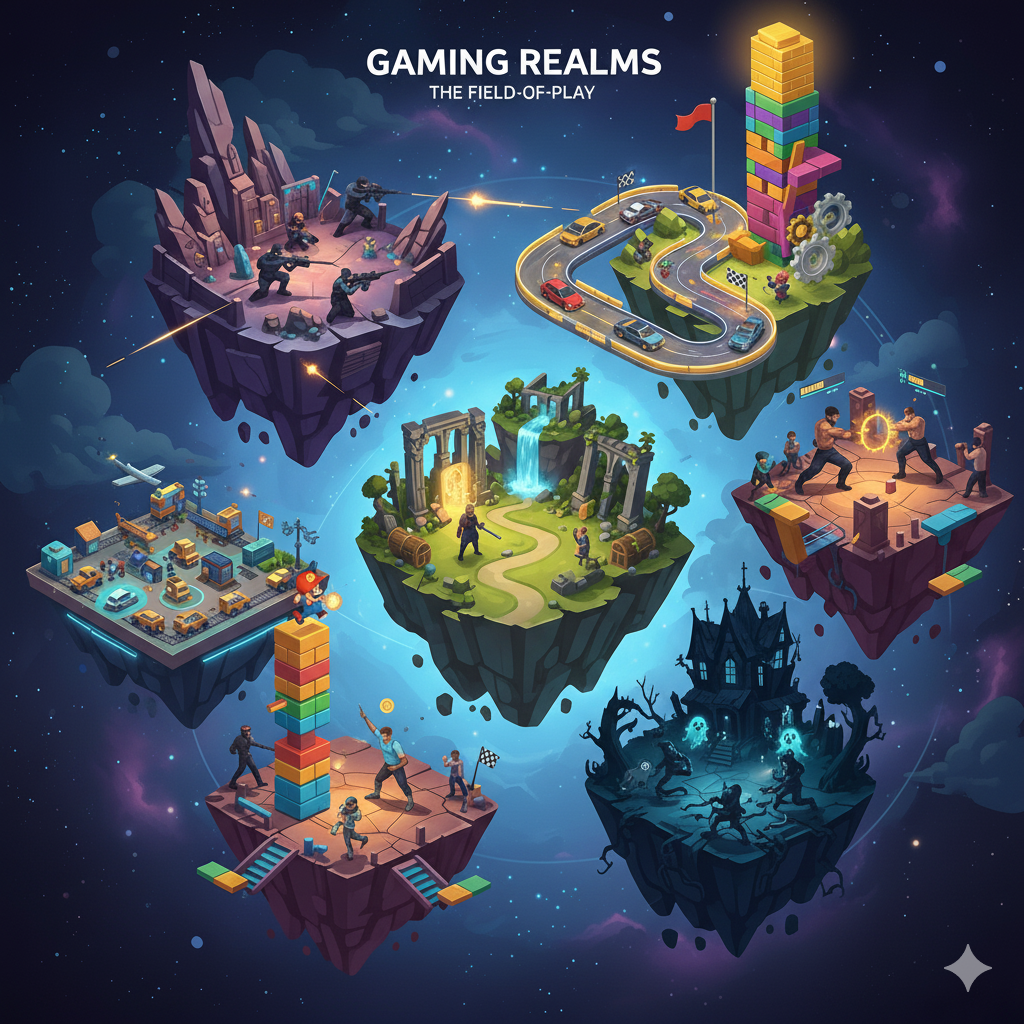
Learn more about Gaming Realms
Why genre labels stopped describing competition, the three questions no tool answers today, and what publishers, investors, UA and BD teams will use this layer for. Free early-access sign-up.